
 admin
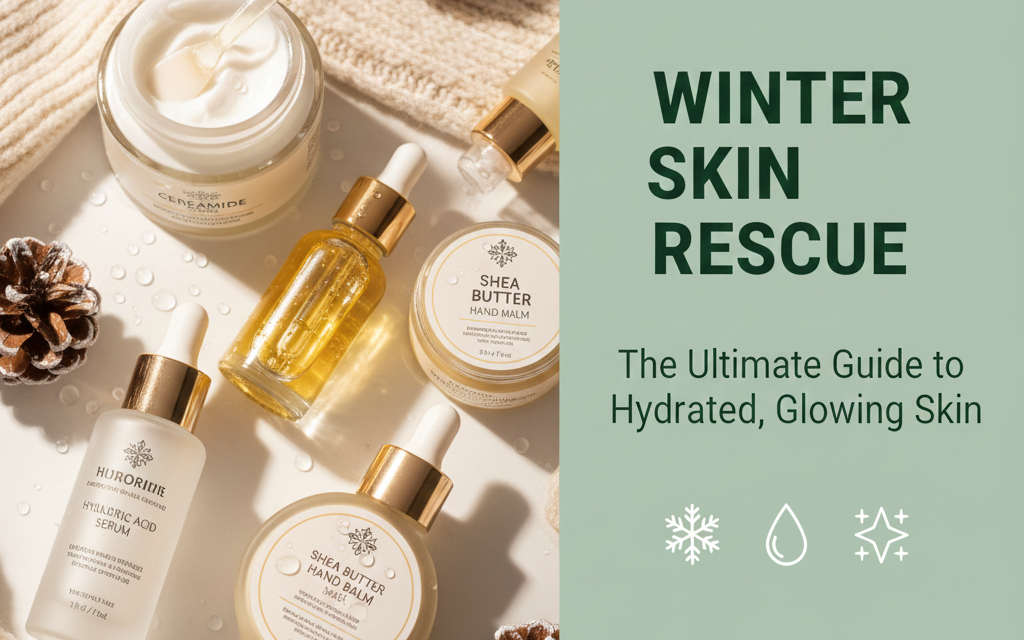
admin The winter months bring cozy sweaters, hot cocoa, and festive cheer—but they also bring harsh, dry air, indoor heating, and a significant challenge to your skin health. The combination of low humidity outside and dry, warm air inside rapidly strips your skin of its natural moisture barrier, leading to dryness, flakiness, irritation, and dullness.
Don’t let winter steal your glow! This detailed, unique guide will walk you through a complete regimen shift, from cleansing to protection, ensuring your skin stays soft, supple, and radiant all season long.
💧 1. Rethink Your Cleansing Routine (The Gentle Shift)
Your summer cleanser is likely too harsh for the cold weather. Harsh cleansers strip the skin of essential oils, making the moisture barrier vulnerable.
Key Adjustments:
- Switch to Cream or Oil Cleansers: Opt for non-foaming, hydrating cream cleansers, cleansing milks, or oil-based formulas. These clean without disrupting the skin’s lipid barrier.
- Avoid Hot Water: While a steamy shower feels great, extremely hot water further dehydrates the skin. Use lukewarm water for washing your face and body. Limit showers to 10 minutes.
- Minimize Exfoliation: Cut back on harsh physical scrubs or high-concentration chemical exfoliants (like strong AHAs/BHAs). Reduce exfoliation to once or twice a week, using gentle enzymes or a low-strength Lactic Acid product to avoid micro-tears and irritation.
🛡️ 2. Barrier Repair and Intensive Moisturization
The core of winter skincare is protecting and restoring the natural moisture barrier, which is composed of lipids (oils).
The Moisture Sandwich Technique:
- Hydrate (Humectants): Immediately after cleansing, apply products rich in humectants, which draw water into the skin. Look for Hyaluronic Acid, Glycerin, and Aloe Vera. Apply them to slightly damp skin for better absorption.
- Seal (Emollients/Occlusives): This step prevents the moisture you just added from evaporating into the dry air.
- Emollients: Smooth and soften the skin. Look for Ceramides, Squalane, and Fatty Acids. These are crucial for barrier repair.
- Occlusives: Create a physical barrier. Look for heavy creams containing ingredients like Shea Butter, Petrolatum (e.g., Vaseline), or Dimethicone. Apply a thick layer of a rich, non-comedogenic cream before bed.
Body Care is Crucial:
- Apply a rich, oil-based body lotion or balm immediately after you towel-dry from your shower while your skin is still damp. This traps the water on your skin.
- Consider using a body oil (like Jojoba or Coconut oil) under your body lotion for an extra layer of occlusion.
🌙 3. Strategic Nighttime Treatments
The skin’s renewal process accelerates overnight, making this the ideal time for intensive treatments.
- Introduce Facial Oils: Before your heavy night cream, press a few drops of a quality facial oil (such as Rosehip, Marula, or Argan oil) into your skin. Oils provide essential lipids and lock in hydration.
- Lip Care: Lips are prone to chapping because they lack oil glands. Apply a generous layer of an occlusive lip balm (one containing petrolatum or shea butter) every night.
- Hand and Foot Mask: Apply a thick layer of cream to your hands and feet and wear cotton gloves/socks overnight to deeply hydrate and heal cracked skin.
☀️ 4. Non-Negotiable Protection (Yes, Even When It’s Cloudy)
Sunscreen is not just for summer. UV rays, though weaker, are still present in winter and can damage the skin’s barrier and contribute to aging.
- Wear Sunscreen Daily: Apply a broad-spectrum SPF 30 or higher every morning, even if you plan to stay indoors (UV rays can penetrate glass).
- Consider Mineral Filters: If your skin is extra sensitive and irritated in winter, sunscreens with mineral filters like Zinc Oxide or Titanium Dioxide may be gentler.
🏠 5. Lifestyle and Environment Adjustments
Skincare goes beyond products; your environment plays a massive role in hydration.
| Adjustment | Benefit for Winter Skin |
| Use a Humidifier | Adds moisture back into the dry indoor air, preventing your skin from losing its hydration to the environment. Keep it running, especially in your bedroom overnight. |
| Increase Water Intake | Hydration starts from the inside. Though you may not feel as thirsty as in summer, maintain consistent water consumption. |
| Eat Healthy Fats | Incorporate healthy fats (Avocados, nuts, fatty fish, flaxseeds) into your diet to support the production of skin-friendly lipids and boost the natural skin barrier. |
| Avoid Direct Heat | Do not sit directly in front of heaters, fireplaces, or car vents. The intense, direct heat rapidly pulls moisture from your skin. |
- Fig Powerhouse: Unlocking the Incredible Benefits of Anjeer and the Right Way to Eat Them
 The Secret Superfruit: Why Anjeer (Figs) Should Be Your Next Snack Figs, known as Anjeer in Hindi, are one of nature’s sweetest and most powerful gifts. While often consumed in their dried form, these wrinkly,… Read more: Fig Powerhouse: Unlocking the Incredible Benefits of Anjeer and the Right Way to Eat Them
 - The Winter Glow-Up: How to Keep Your Skin Hydrated and Luminous All Season Long
 The winter months bring cozy sweaters, hot cocoa, and festive cheer—but they also bring harsh, dry air, indoor heating, and a significant challenge to your skin health. The combination of low humidity outside and dry,… Read more: The Winter Glow-Up: How to Keep Your Skin Hydrated and Luminous All Season Long
 - Chia Seeds: The Ultimate Superfood for Gut, Heart, and Sustained Energy
 Chia Seeds: The Ultimate Superfood for Gut, Heart, and Sustained Energy In the vast landscape of health trends, chia seeds have transcended fads to become a nutritional staple. These microscopic seeds, originally prized by ancient… Read more: Chia Seeds: The Ultimate Superfood for Gut, Heart, and Sustained Energy
 - रोग प्रतिरोधक क्षमता (Immunity) बढ़ाने के लिए क्या करें? आहार, व्यायाम और सरल उपाय
 क्या आप बार-बार बीमार पड़ते हैं? क्या आपकी ऊर्जा का स्तर कम रहता है? आपकी रोग प्रतिरोधक क्षमता (Immunity) आपके स्वास्थ्य की पहली और सबसे महत्वपूर्ण रक्षा पंक्ति है। इस ब्लॉग में, हमने प्रसिद्ध पोषण… Read more: रोग प्रतिरोधक क्षमता (Immunity) बढ़ाने के लिए क्या करें? आहार, व्यायाम और सरल उपाय
 - सर्दी-खांसी में गले का बैठ जाना – जानें इसका वैज्ञानिक कारण, बलगम, गला और नाक का संबंध, और तुरंत राहत के उपाय
 💡 परिचय: बैठी आवाज़, जुकाम और कफ की त्रिमूर्ति सर्दियों का मौसम अपने साथ चाय और गर्माहट लाता है, लेकिन साथ ही लाती है सर्दी, खांसी और जुकाम जैसी परेशानियाँ। इन समस्याओं में गले का… Read more: सर्दी-खांसी में गले का बैठ जाना – जानें इसका वैज्ञानिक कारण, बलगम, गला और नाक का संबंध, और तुरंत राहत के उपाय
 - 5 Best Home Remedies for Sun Tan Removal That Actually Work
 ✨ धूप की टैनिंग से छुटकारा: 5 अचूक घरेलू उपाय जो सच में काम करते हैं! क्या आप भी उन लोगों में से हैं जिनकी त्वचा धूप में निकलते ही तुरंत सांवली पड़ जाती है?… Read more: 5 Best Home Remedies for Sun Tan Removal That Actually Work


 5 Best Home Remedies for Sun Tan Removal That Actually Work
  DIY Natural Facial at Home: Expert Secrets for Glowing Skin (Bina Chemical Ke Facial)
  Home and Permanent Solutions for Unwanted Facial Hair Removal (Beard/Moustache): Expert Advice